Case Studies•April 3, 2026
Single-Cell Analysis: How a Clinical-Stage Biotech Accelerated Drug Discovery with Mithrl’s SDE

Mithrl
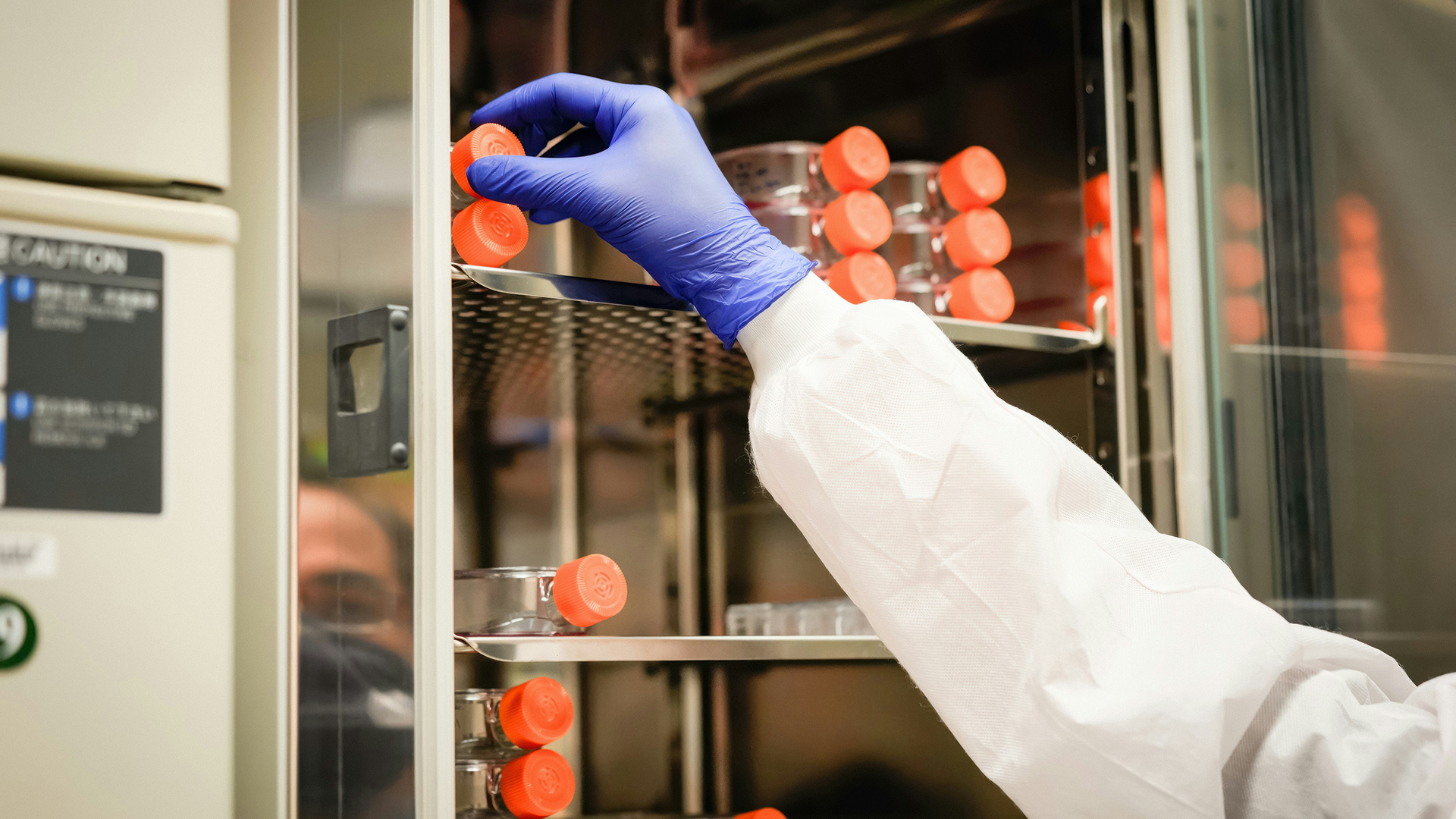
Reducing scRNA-seq analysis time from 8-10 weeks to under 1 week while expanding access to insights across teams
The New Bottleneck in Drug Discovery: Interpretation Scale
Single-cell sequencing and multi-omics technologies have transformed biology. Data is no longer scarce. Insight is. Across biotech and pharma, organizations are producing more data than they can meaningfully analyze and interpret. When analysis takes weeks or months, momentum slows, iteration stalls, decisions are delayed, and opportunities are missed. The industry is optimized for producing data and not turning it into decisions.
“The bottleneck in drug discovery is no longer data generation—it’s interpretation.”
When Data Outpaces Insight
A Clinical-Stage Biotech cell therapy company faced this challenge directly
Despite generating high-quality single-cell RNA-seq data to support target discovery, biomarker identification, and IP development, their ability to extract insight remained slow. Analysis timelines stretched from eight to ten weeks, driven by complex workflows and reliance on specialized bioinformatics expertise. Access to data was limited. Wet lab scientists depended on bioinformaticians, slowing feedback loops and delaying decisions. What began as a technical workflow issue had become a strategic bottleneck, limiting agility, slowing innovation, and constraining the pace of discovery.
From Bioinformatics Workflows to the Scientific Decision Engine
To overcome this, the company adopted Mithrl’s Scientific Decision Engine. Instead of building and debugging pipelines, scientists could interact with a natural language interface designed not only to run analyses, but also to accelerate scientific reasoning. The result: scientists can now move from raw sequencing data to interpretable insights significantly faster, reducing the reliance on specialized bioinformatics teams. By integrating single-cell analytics with bulk data and external scientific knowledge, Mithrl enabled a more comprehensive, discovery-driven approach.
The shift was fundamental: from generating outputs to generating insight.
“Mithrl’s Scientific Decision Engine has allowed us to successfully identify novel IP, demonstrating the high level of confidence we have in its insights. Consequently, Clinical-Stage Biotech now leverages Mithrl for all its analyses. Our confidence was further reinforced by a direct comparison in which identical datasets were analyzed by both human bioinformaticians and Mithrl’s Scientific Decision Engine. Both methods yielded the same insights; however, Mithrl completed the task in less than a week, compared to over two months for the manual analysis.”
10 Weeks to 1 Week: Compressing Time to Insight
The impact was immediate.
“Faster analysis. Faster decisions. Faster iterations.”
Access to data expanded beyond bioinformatics teams, enabling scientists, project managers, and leadership to explore insights directly. Feedback loops shortened, allowing rapid hypotheses testing, and more agile experimentation. Critically, confidence remained high. Mithrl aligned closely with expert human analyses and supported clinical-grade workflows.
“Outputs aligned with human expert bioinformaticians’ analysis at a fraction of the time”
From Bottleneck to Competitive Advantage
By removing reliance on manual, expert-dependent workflows, the Clinical-Stage Biotech company transformed data analysis from a constraint into an advantage. This resulted in bioinformaticians focusing on higher-value work, while teams can now collaborate more effectively with discovery being accelerated. What was once a bottleneck became a driver for innovation.
The Future of Biology Is Decision-Speed Driven
This use case reflects a broader shift across the life sciences industry. The organizations that will lead are not those that generate the most data, but those that can turn data into decisions the fastest, with confidence.
Mithrl’s Scientific Decision Engine is enabling this shift by introducing a new layer in the scientific stack: one that connects data directly to insight, and insight directly to action.
“In modern biology, advantage doesn’t come from having more data. It comes from understanding it first.”